

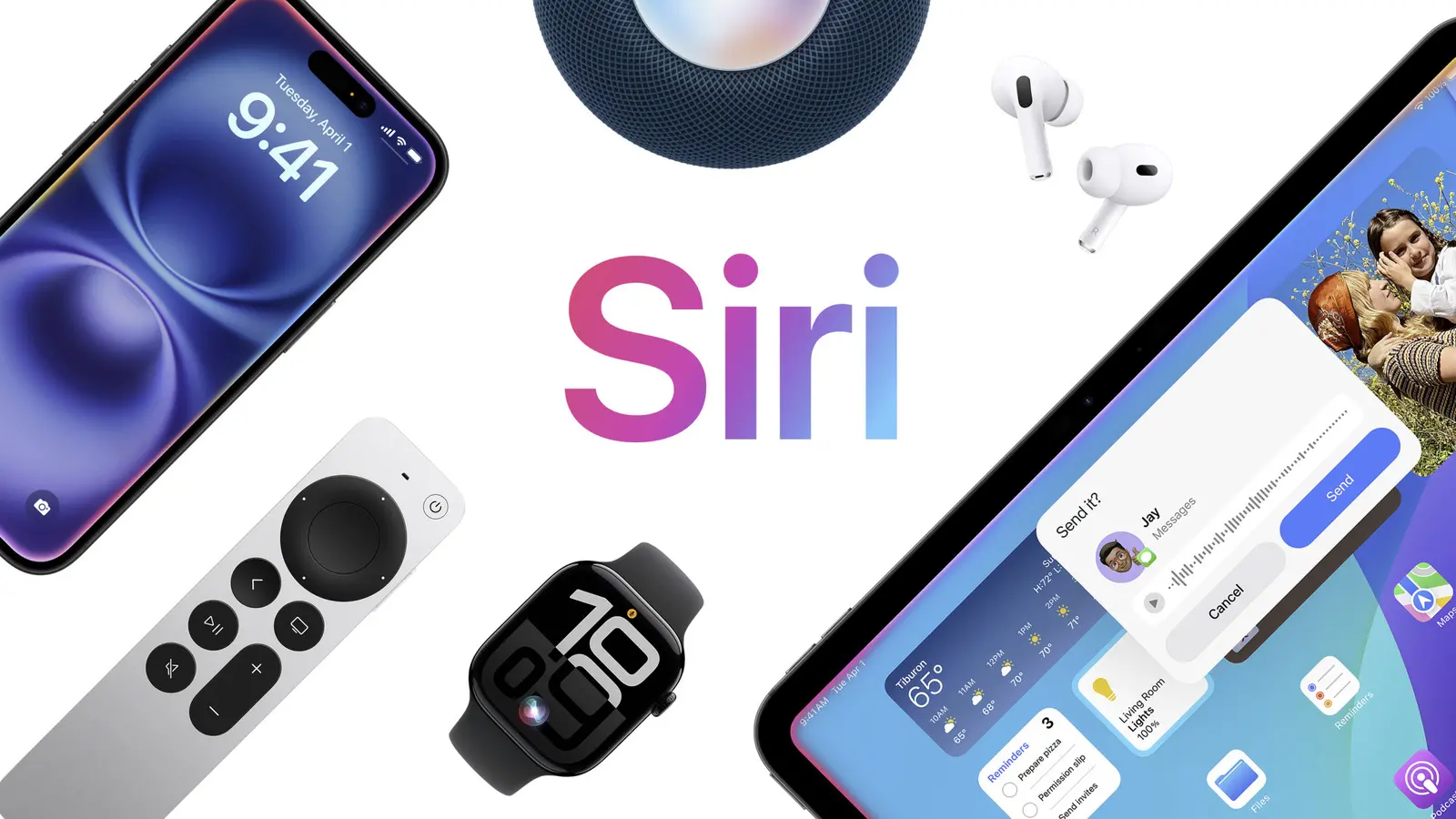
Apple has reached a $250 million settlement to resolve a class action lawsuit that accused the company of deceiving iPhone buyers about the arrival of its next-generation, AI-driven Siri assistant. The lawsuit, filed on behalf of US consumers who purchased the iPhone 15 Pro and iPhone 16 lineup, argued that Apple marketed the new Siri as a marquee feature of Apple Intelligence, yet failed to deliver it within the promised timeframe. According to reports from sources familiar with the filing, the settlement still requires judicial approval before it can take effect.
The controversy stems from Apple’s unveiling of a more personalized, context-aware Siri at its Worldwide Developers Conference (WWDC) in June 2024. At the event, Apple executives demonstrated Siri’s ability to understand on-screen content, take actions across apps, and leverage a user’s personal data to provide tailored responses. This version of Siri was positioned as a core component of Apple Intelligence, the company’s broader push into generative AI, alongside text generation, image editing, and ChatGPT integration. The company explicitly stated that these features would begin rolling out in 2024, with the new Siri arriving soon after.
However, almost two years later, the advanced Siri has yet to ship. Apple quietly delayed its release, first by failing to mention it in subsequent software updates and then officially confirming the postponement in March 2025. That admission came more than five months after the iPhone 16 launched—a device Apple had specifically promoted as being built for Apple Intelligence. The company pulled television and online ads that showcased the new Siri after the delay became public, but the damage to consumer trust had already been done.
The class action lawsuit consolidated complaints from numerous iPhone owners who claimed they were induced to upgrade their devices based on the promise of an AI assistant that never materialized. Legal experts note that the settlement amount—$250 million—is significant but represents a fraction of Apple’s cash reserves. The proposed deal compensates eligible class members without requiring Apple to admit any liability or wrongdoing. This is a common tactic in large corporate settlements, allowing companies to avoid legal precedent while still providing financial redress.
To understand the full scope of the issue, it is necessary to look at how Apple Intelligence was introduced and why Siri became a central piece of that strategy. Apple had been seen as lagging behind rivals like Google and Microsoft in the generative AI race. At WWDC 2024, the company aimed to leapfrog competitors by emphasizing privacy-focused on-device AI. The new Siri was supposed to be the interface through which users would interact with these capabilities. It would summarize emails, control Smart Stacks, create reminders from conversations, and even generate images. The demonstrations were compelling and helped drive strong initial sales of the iPhone 16 series.
But the rollout of Apple Intelligence turned out to be incremental and messy. Text editing tools arrived first in iOS 18, followed by image generation and ChatGPT integration later in 2024 and early 2025. Each update brought only a subset of the promised features, and the most ambitious—context-aware Siri—remained absent. Developers who tested early betas reported that Siri struggled with many of the tasks shown at WWDC, leading Apple to pull the feature just before it was set to ship. The company eventually admitted that the technology was not ready, citing the complexity of balancing on-device processing with privacy constraints.
In March 2025, Apple confirmed that the new Siri would be delayed indefinitely, but recent reports suggest it will now arrive as part of iOS 27, expected in late 2026. Remarkably, Apple has turned to a competitor to help bring the feature to life: Google. The company has partnered with Google to leverage its Gemini AI models for certain Siri capabilities, marking a departure from Apple’s usual reliance on in-house technology. While the partnership allows Apple to catch up technically, it also raises questions about data privacy and Apple’s long-term AI strategy.
The fallout from the Siri debacle extends beyond the courtroom. Analysts have pointed to the incident as evidence of the dangers of overpromising in the AI space. Many tech companies have rushed to announce AI features without fully developing them, creating a pattern of hype followed by delays. For Apple, which has built its brand on delivering polished, reliable products, the Siri delay has dented its reputation for execution. Customer satisfaction scores for Siri have declined, and some users have migrated to third-party AI assistants like ChatGPT and Google Assistant for more advanced tasks.
The settlement also forces Apple to confront the broader implications of its marketing practices. The lawsuit centered on the claim that Apple knew or should have known that the new Siri would not ship in 2024, yet continued to advertise it as a reason to buy the iPhone 16. While the settlement avoids a legal finding of fraud, it will likely lead to more cautious language in future product announcements. Apple has already updated its marketing guidelines to include clearer disclaimers about feature availability.
Looking ahead, the company plans to integrate the new Siri and additional AI features into iOS 27, which is expected to be unveiled at WWDC 2026. The partnership with Google suggests that Apple is adopting a hybrid approach, using its own models for privacy-sensitive tasks and third-party models for more computationally intensive operations. This could allow Siri to finally deliver on the promises made two years ago, but the trust deficit may take years to repair.
The case also highlights the evolving legal landscape around AI and consumer protection. As more companies integrate AI into their products and market them aggressively, regulators and courts are paying closer attention to whether advertised capabilities match reality. The Apple settlement could set a precedent for how similar lawsuits are handled in the future, especially those involving high-profile AI features that are delayed or fail to materialize. Consumer advocates argue that companies should be held accountable for deceptive marketing, while industry groups caution that strict liability could stifle innovation.
For the millions of iPhone owners covered by the settlement, the financial compensation will be modest—likely a fraction of the device’s purchase price. But the case represents a symbolic victory for consumers who felt misled by a company they trusted. Whether Apple ultimately delivers the AI-powered Siri that was promised remains to be seen, but the path forward involves both technological challenges and ongoing public scrutiny.
Source: Engadget News