

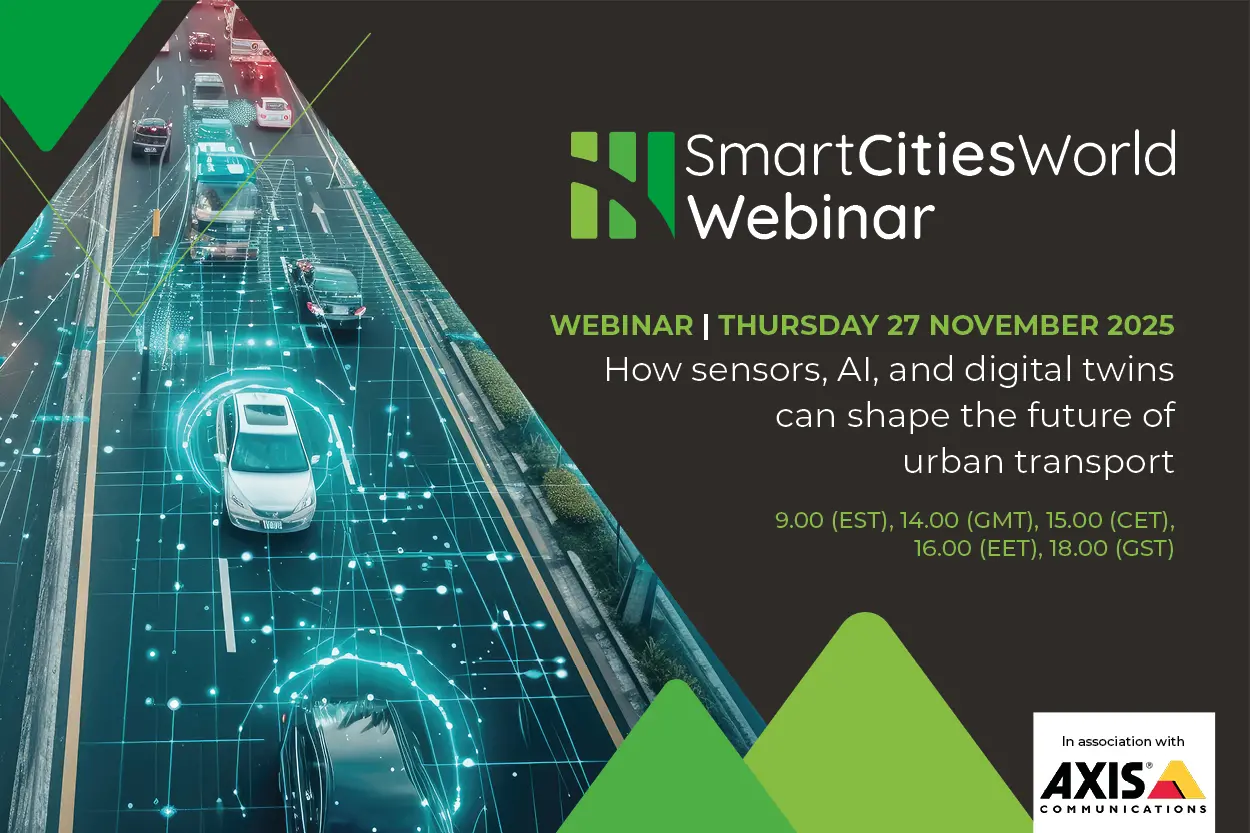
Urban transport systems around the world are undergoing a profound transformation, driven by the convergence of sensor networks, artificial intelligence, and digital twin technologies. These innovations are enabling cities to plan, manage, and optimize their transport networks with unprecedented precision, while also improving passenger experiences and community outcomes. In a recent on-demand webinar hosted by SmartCitiesWorld, industry experts and city leaders discussed how these tools are reshaping the future of urban mobility.
The Power of Digital Twins in Urban Infrastructure
A digital twin is a virtual replica of a physical system that uses real-time data from sensors to simulate, predict, and improve performance. In the context of urban transport, digital twins allow city planners to model traffic flows, test infrastructure changes, and predict the impact of new policies without disrupting real-world operations. For instance, cities like Dublin have implemented digital twin projects to reduce traffic congestion and support economic growth. By integrating data from traffic cameras, GPS-equipped vehicles, and public transit sensors, these twins provide a dynamic, data-driven view of the entire transport network.
The technology is not limited to traffic management. Digital twins also help in planning for extreme weather events, optimizing street lighting, and improving pedestrian safety. As Cristina Bueti of the International Telecommunication Union (ITU) emphasizes, cities must prioritize interoperability, inclusivity, and human oversight now—before fragmented systems and vendor lock-in define the future of urban AI. This means ensuring that digital twins can communicate with existing legacy systems and that data standards are open and accessible.
AI and Data Integration for Smarter Operations
Artificial intelligence plays a central role in analyzing the massive streams of data generated by urban sensors. Machine learning algorithms can detect patterns, predict maintenance needs, and even automate traffic signal timing. For example, AI-powered systems can adjust traffic lights in real time to respond to congestion, accidents, or special events, reducing delays and emissions. In the webinar, experts showcased how cities are racing to connect disparate data sources, tighten security, and harness AI to create more responsive urban services.
The integration of data from smart lighting networks is one emerging trend. Streetlights equipped with sensors and connectivity can serve as a backbone for a city's IoT infrastructure. In the second episode of the series 'Cities Thriving on Lighting,' panelists discussed how cities can turn existing streetlight networks into secure, interoperable, and future-proof infrastructure. These networks can monitor air quality, detect gunshots, count pedestrians, and even provide Wi-Fi. However, they also introduce cybersecurity risks that must be managed through robust encryption and regular updates.
Real-World City Profiles: Sunderland and Dublin
Two city profiles featured in the webinar highlight the diverse approaches to smart urban transport. Sunderland, a post-industrial city in the UK, is repositioning itself as a leading smart city. By investing in digital infrastructure and low-carbon innovation, Sunderland aims to build a resilient, future-focused economy. Its smart city initiatives include a citywide sensor network that monitors traffic, energy use, and waste management. These sensors feed into a digital twin that helps planners simulate the impact of new developments and policies.
Dublin, on the other hand, is focusing on improving experiences and services for its communities. The city's digital twin projects include a detailed model of the city center that allows planners to test changes like new bike lanes, pedestrian zones, and traffic calming measures before implementation. Dublin has also launched a traffic reduction initiative that uses AI to optimize bus routes and reduce car usage. The results have been promising: fewer delays, lower emissions, and higher satisfaction among commuters.
Smart Lighting and Cybersecurity Considerations
Smart lighting is a key component of future-proof urban infrastructure. In the final episode of 'Cities Thriving on Lighting,' global city leaders discussed how they are approaching smart lighting and related cybersecurity risks. Smart streetlights not only reduce energy costs and carbon footprints but also provide a platform for additional sensors. However, every connected device is a potential entry point for cyberattacks. Cities must implement strong security protocols, regular software updates, and network segmentation to protect critical systems.
The UN Virtual Worlds Day event, which explores how AI and spatial intelligence can be harnessed for the 'Citiverse,' further underscores the need for trusted, people-centered outcomes. Paul Wilson, a speaker at the event, called for collaboration between governments, tech companies, and citizens to ensure that these tools serve the public good.
Sensor Networks for Indoor and Outdoor Safety
Beyond transport, smart sensor networks are improving safety and sustainability in buildings. How smart sensor networks can help improve indoor safety by detecting risks early—such as gas leaks, fires, or structural weaknesses—was a topic discussed in the webinar. These sensors, combined with AI, provide situational awareness that helps building managers respond faster and more effectively. The same technology is being applied to tunnels, bridges, and other critical infrastructure.
An on-demand trend report panel discussion titled 'AI for resilient infrastructure – sustainable operations for future-ready cities' delved into how AI can help maintain infrastructure assets, predict failures, and optimize maintenance schedules. Another webinar, 'Unlocking climate finance: building city capacity and partnerships,' explored how cities can access funding for these transformative projects.
As cities continue to digitize their transport networks, the importance of interoperability and inclusivity cannot be overstated. Without common standards and open data platforms, cities risk creating siloed systems that fail to deliver the promised benefits. Moreover, as AI becomes more integrated into daily operations, human oversight remains essential to ensure ethical use and equity.
The SmartCitiesWorld Newsletters provide a daily and weekly digest of these developments, along with city interviews, special reports, and guest opinions. For urban transport professionals, staying informed about sensor technology, AI trends, and digital twin best practices is crucial for building the cities of tomorrow.
In conclusion—though no formal conclusion is required—the evidence is clear: sensors, AI, and digital twins are not just futuristic concepts; they are already reshaping urban transport networks today. From Dublin's traffic optimization to Sunderland's digital infrastructure, cities are demonstrating that data-driven, inclusive, and secure approaches can lead to more efficient, resilient, and sustainable urban mobility. The path forward involves embracing these technologies while maintaining a firm focus on human needs and cybersecurity.
Source: Smart Cities World News