

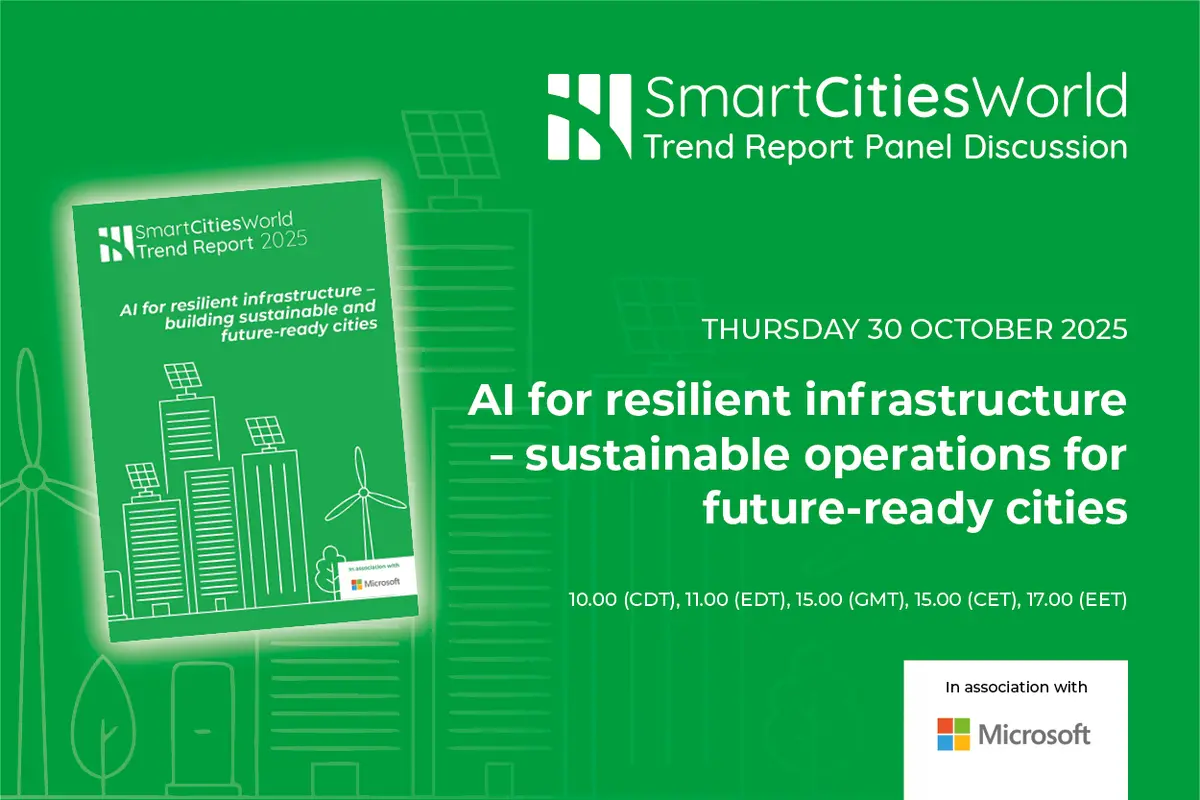
Urban infrastructure is undergoing a profound transformation as cities worldwide embrace artificial intelligence (AI) and digital twin technologies to enhance efficiency, resilience, and sustainability. The recent OnDemand Trend Report Panel Discussion highlighted how these innovations are reshaping urban services, from transport networks to streetlighting, and how cities can harness data and AI to create smarter, more responsive environments.
Digital twins—virtual replicas of physical assets, systems, or processes—enable real-time monitoring, simulation, and optimization of urban infrastructure. By combining sensor data, AI, and machine learning, cities can predict maintenance needs, reduce energy consumption, improve traffic flow, and enhance public safety. For instance, cities like Sunderland are repositioning themselves as leading smart cities by leveraging digital infrastructure and low-carbon innovation to build a resilient, future-focused economy. The SmartCitiesWorld City Profile on Sunderland details these efforts, including the integration of digital twins into planning and operations.
Similarly, Dublin is innovating to improve experiences and services for its communities. Its digital twin projects, combined with traffic reduction strategies and economic growth initiatives, demonstrate how AI-driven tools can address urban challenges. The city's approach underscores the importance of data interoperability and human oversight, as emphasized by ITU’s Cristina Bueti. She warns that without prioritizing these elements now, fragmented systems and vendor lock-in could define the future of urban AI, limiting the potential of smart city ecosystems.
The role of AI in urban transport networks is particularly critical. Data and AI are being used to support planning, day-to-day operations, and improve outcomes for communities and passengers. From optimizing bus schedules to managing traffic signals in real time, these technologies reduce congestion, lower emissions, and enhance the commuter experience. A dedicated OnDemand Webinar on how sensors, AI, and digital twins shape the future of urban transport delves into these applications, offering actionable insights for city planners and operators.
Smart lighting is another area where cities are making strides. The final episode of the series 'Cities Thriving on Lighting' explores how global cities are approaching smart lighting and the related cybersecurity risks. Modern streetlight networks are no longer just for illumination; they can be turned into secure, interoperable, and future‑proof infrastructure. As discussed in the second episode of the series, the technology and considerations behind this transformation include using LED fixtures with integrated sensors, wireless connectivity, and edge computing to manage lighting dynamically. However, cybersecurity must be a priority, as these networks become potential entry points for attackers.
The UN Virtual Worlds Day event, as explained by Paul Wilson, will explore how AI, spatial intelligence, and the Citiverse ecosystem can be turned into trusted, people-centred outcomes. The Citiverse—a convergence of digital twins, augmented reality, and the metaverse—has the potential to revolutionize how citizens interact with urban spaces. Yet, it also raises questions about data privacy, ethical governance, and inclusivity. The event invites stakeholders to join the conversation and shape a future where technology serves all.
Indoor safety is another domain where smart sensor networks are making a difference. By detecting risks early—such as gas leaks, fire hazards, or unauthorized access—these systems improve situational awareness and support healthier, more secure, and sustainable buildings. The integration of AI allows for predictive analytics, reducing false alarms and enabling proactive maintenance. This technology is increasingly being adopted in commercial buildings, hospitals, and schools.
For cities looking to get their data strategy right, an OnDemand Webinar on 'Getting your data strategy right for smarter sites and safer operations' provides guidance. Effective data management is the foundation of any smart city initiative, ensuring that information flows seamlessly between systems and that AI models are trained on accurate, representative data. Without a robust strategy, even the most advanced technologies can fail to deliver expected outcomes.
The trend report also emphasizes the importance of newsletters in keeping stakeholders informed. SmartCitiesWorld offers daily and weekly editorial newsletters that curate the latest news, city interviews, special reports, and guest opinions. These updates help professionals stay ahead of developments in AI, digital twins, and smart city technologies.
In summary, the panel discussion highlighted that AI for resilient infrastructure is not just about technology—it's about people, processes, and partnerships. Cities must prioritize interoperability, inclusivity, and human oversight to avoid fragmentation and vendor lock-in. By learning from pioneers like Sunderland and Dublin, and by adopting best practices in data strategy, cybersecurity, and community engagement, cities can build the future-ready infrastructure needed to thrive in an increasingly complex world.
The journey toward smart, sustainable cities is ongoing. As AI and digital twins continue to evolve, they will unlock new possibilities for urban resilience. The key is to act now—before fragmented systems define the future. By connecting data, tightening security, and harnessing AI, cities can turn fragmented systems into smarter, more responsive urban services that benefit everyone.
Source: Smart Cities World News