

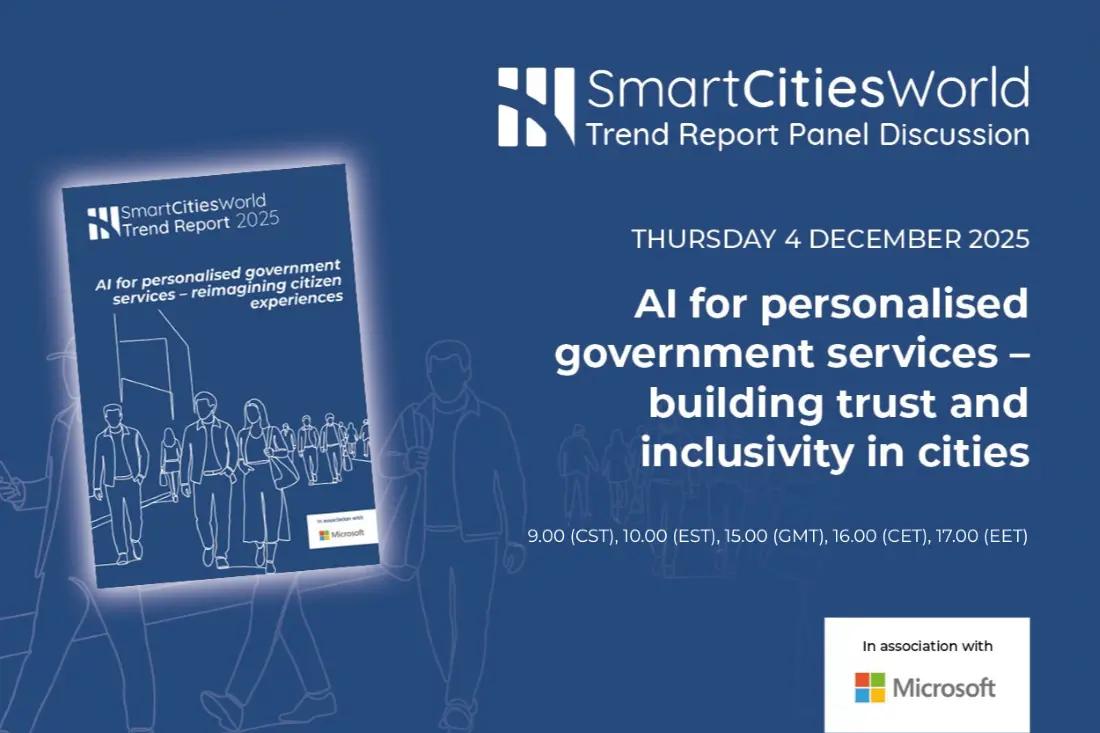
The OnDemand Trend Report recently hosted a panel discussion titled “AI for Personalised Government Services: Building Trust and Inclusivity in Cities,” bringing together thought leaders from technology, urban planning, and public administration. The conversation delved into how artificial intelligence can be harnessed to deliver tailored services to citizens while ensuring that the systems are trustworthy, inclusive, and respectful of human values. With cities worldwide racing to adopt smart technologies, the panel emphasised that the path to truly personalised government services must be paved with ethical frameworks and community engagement.
Digital Twins as the Intelligent Operating Layer
One of the central themes was the use of digital twins—virtual replicas of physical urban environments—as an intelligent operating layer for cities. These AI-powered models allow planners to simulate infrastructure changes, optimise traffic flows, and even predict the impact of climate events before they occur. The panel noted that digital twins can personalise government services by enabling real-time adjustments to public transport routes, energy distribution, and emergency response systems based on individual neighbourhood needs. However, they stressed that the data feeding these twins must be open, interoperable, and secure to maintain public trust.
AI in Urban Transport Networks
Another key discussion point was the role of AI in urban transport networks. Cities are using machine learning algorithms to support both long-term planning and day-to-day operations, such as dynamic traffic light optimisation, predictive maintenance of rail systems, and personalised journey recommendations for commuters. The panel highlighted examples from Singapore and Helsinki where AI-driven mobility platforms have reduced congestion and improved accessibility for people with disabilities. Yet, they warned that without inclusive design, these tools risk marginalising already disadvantaged groups. Building trust requires transparent algorithms and avenues for citizen feedback.
Connecting Data, Tightening Security
The session also addressed the critical challenge of connecting fragmented data systems while tightening cybersecurity. Many cities still operate with siloed databases from different departments, hindering the seamless delivery of personalised services. The panel argued that interoperable data architectures are essential—allowing, for instance, a citizen’s health record to inform social housing decisions without compromising privacy. ITU’s Cristina Bueti underscored that cities must prioritise interoperability, inclusivity, and human oversight now, before vendor lock-in and fragmented systems define the future of urban AI. She called for international standards to guide ethical data sharing.
City Profiles: Sunderland and Dublin
The discussion featured two city case studies that exemplify the panel’s themes. Sunderland, UK, is repositioning itself as a leading smart city by using digital infrastructure and low-carbon innovation to build a resilient, future-focused economy. Its approach includes a city-wide digital twin and AI-powered public service chatbots that offer personalised advice on waste collection, energy efficiency, and local events. Dublin, Ireland, is innovating similarly with digital twin projects, traffic reduction strategies, and targeted economic growth initiatives. The panel noted that both cities have invested heavily in community consultation to ensure that the services they develop reflect the diverse needs of their populations.
Smart Lighting as a Foundation
An often-overlooked component of personalised government services is street lighting. The panel referenced a series titled “Cities Thriving on Lighting,” which examines how smart lighting networks can serve as a backbone for broader IoT deployment. By turning existing streetlights into secure, interoperable, and future-proof infrastructure, cities can collect data on pedestrian movement, air quality, and event attendance. This data then feeds into personalised services—for example, adjusting street brightness based on real-time footfall or sending alerts to residents about nearby safety hazards. However, the panel cautioned that each connected light pole is a potential cyberattack vector, necessitating robust security protocols.
The Promise of the Citiverse and Spatial Intelligence
Looking ahead, the panel touched on the emerging concept of the Citiverse—a convergence of digital twin technology, spatial intelligence, and virtual worlds. The UN Virtual Worlds Day event, scheduled later this year, will explore how these technologies can deliver trusted, people-centred outcomes. Paul Wilson of the UN explained that the goal is to create immersive environments where citizens can interact with government services in new ways, such as attending virtual town halls or visualising planned developments in 3D. The panel saw huge potential for personalisation, but reiterated that inclusivity must be embedded from the start, ensuring that virtual services do not exclude those without internet access or digital literacy.
Smart Sensor Networks for Safer Buildings
Indoor environments also came under scrutiny. Smart sensor networks—integrating AI for early detection of risks like fires, gas leaks, or structural weaknesses—can improve situational awareness and support healthier, more secure, and sustainable buildings. The panel noted that such systems can be personalised, sending targeted alerts to building occupants based on their location and mobility needs. For instance, a person with visual impairments might receive audio instructions during an emergency, while others get push notifications on their phones. The key is to design these systems collaboratively with end users, not just technology providers.
Data Strategy for Smarter Sites
The panel concluded with a discussion on data strategy. Without a robust data strategy, even the most advanced AI will fail to deliver personalised, trustworthy services. Cities must invest in data governance frameworks that define who owns the data, how it can be used, and how citizens can grant or revoke consent. The OnDemand webinar “Getting Your Data Strategy Right for Smarter Sites and Safer Operations” provided practical steps, emphasising the importance of privacy-by-design and ethical impact assessments. The panel agreed that maintaining human oversight—where AI recommendations are reviewed by qualified staff—is non-negotiable for building long-term trust.
Newsletters and Continuous Learning
The discussion also highlighted the role of continuous learning and knowledge sharing. SmartCitiesWorld offers daily and weekly newsletters that curate the latest news, city interviews, special reports, and guest opinions. The panel encouraged professionals in urban technology to subscribe and stay informed about best practices in AI governance, data ethics, and inclusive design. By fostering a community of practice, cities can accelerate the adoption of personalised government services that truly benefit all residents.
As cities continue to integrate AI into every facet of public administration, the panel’s message was clear: technology alone is not enough. Trust and inclusivity must be built through transparent processes, diverse stakeholder engagement, and a steadfast commitment to human rights. The journey to personalised government services is just beginning, and the decisions made today will shape the urban fabric for generations to come.
Source: Smart Cities World News