

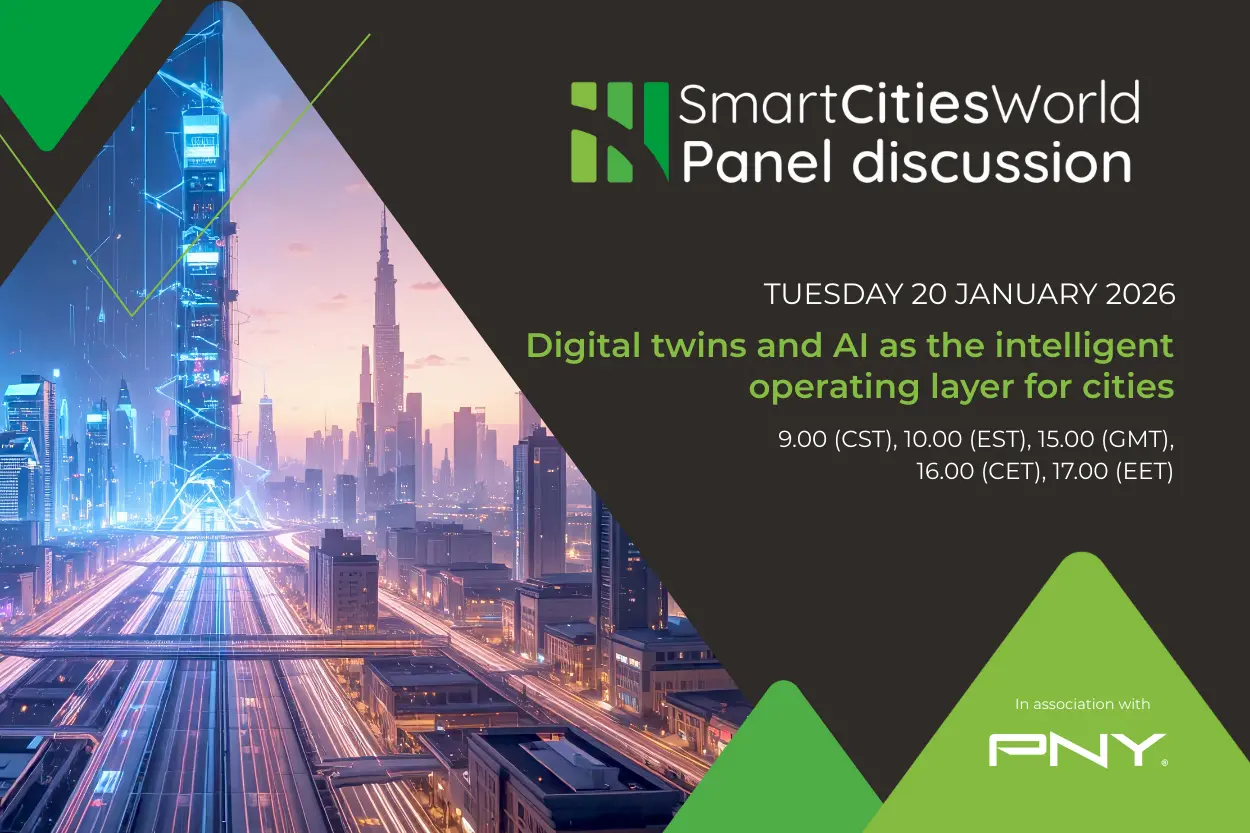
Urban environments worldwide are embracing digital twins and artificial intelligence (AI) as the core intelligent operating layer to manage complex infrastructure, enhance efficiency, and build resilient, sustainable communities. This integration marks a significant shift from fragmented, reactive systems to proactive, data-driven city management. As cities race to harness these technologies, they face challenges of interoperability, security, and inclusivity that must be addressed to unlock full potential.
AI-Powered Digital Twins Transforming Urban Infrastructure
Digital twins—virtual replicas of physical systems—have long been used in manufacturing and engineering, but their application in city management is relatively recent. By feeding real-time data from sensors, IoT devices, and existing infrastructure into these models, cities can simulate scenarios, predict outcomes, and optimize operations. When combined with AI, digital twins become living decision-making tools that learn from data and recommend actions. For example, urban transport networks now employ data and AI to support planning, day-to-day operations, and improve outcomes for communities and passengers. Traffic flow simulations, predictive maintenance of transit assets, and dynamic routing are just a few applications that reduce congestion and emissions while improving mobility.
Beyond transport, AI-powered digital twins help cities tighten security, manage energy consumption, streamline waste collection, and enhance public safety. The technology enables city administrators to visualize the impact of policy changes—such as introducing low-emission zones or adjusting street lighting—before implementing them in the real world. This capability reduces risks and costs associated with trial-and-error approaches. The ultimate goal is to create a seamless, responsive urban ecosystem where every layer of infrastructure communicates and adapts autonomously.
Overcoming Fragmentation: Interoperability and Inclusivity
Despite the promise, many cities struggle with fragmented systems, legacy software, and vendor lock-in—barriers that prevent the smooth integration of digital twins and AI. Cristina Bueti of the International Telecommunication Union (ITU) emphasizes that cities must prioritize interoperability, inclusivity, and human oversight now to avoid these pitfalls. Without common data standards and open architectures, cities risk creating silos that undermine efficiency and fairness. Inclusivity is equally critical: digital twin applications must serve all residents, not just those with access to advanced technology. Ensuring that AI models are trained on representative data and that decision-making processes are transparent helps build public trust. Human oversight remains essential to catch biases, verify AI recommendations, and maintain accountability in critical areas like emergency response and resource allocation.
City Profiles: Sunderland and Dublin Lead the Way
Real-world examples illustrate how digital twins and AI are being deployed today. Sunderland, UK, is repositioning itself as a leading smart city by investing in digital infrastructure and low-carbon innovation. Its city profile highlights how digital twins are used to model energy flows, optimize district heating, and plan for net-zero targets. Sunderland's approach combines sensor networks with AI analytics to monitor air quality, traffic, and energy use, creating a feedback loop that continuously improves the urban environment. The city also focuses on inclusive engagement, ensuring that residents benefit from new technologies through community programs and transparent data sharing.
Dublin, Ireland, is another exemplar, with multiple digital twin projects targeting traffic reduction, economic growth, and improved citizen services. The Dublin city profile describes how its digital twin integrates data from traffic cameras, parking sensors, public transport schedules, and weather forecasts. AI algorithms then optimize traffic signal timings, reduce congestion, and suggest alternative routes in real time. Dublin also uses digital twins to simulate urban development scenarios, helping planners assess the impact of new buildings or pedestrian zones on the overall city experience. Both Sunderland and Dublin demonstrate that digital twins and AI are not just theoretical concepts but practical tools delivering measurable benefits today.
Addressing Cybersecurity in Smart Lighting and Beyond
One area where digital twins and AI have significant impact is smart lighting. Streetlight networks, often upgraded with LED fixtures and connected sensors, form an ideal backbone for urban data collection. However, these systems also introduce cybersecurity risks. The Cities Thriving on Lighting series explores how cities approach smart lighting and the related challenges. Episodes delve into turning existing streetlight networks into secure, interoperable, and future-proof infrastructure. Key considerations include encrypting data streams, securing communication protocols, and ensuring that remote management platforms are hardened against attacks. As lighting becomes part of the larger digital twin ecosystem, its cybersecurity must be integrated into overall city security frameworks. Best practices include regular vulnerability assessments, adoption of industry standards, and collaboration with cybersecurity experts during procurement and deployment.
Looking Forward: UN Virtual Worlds Day and Smart Sensor Networks
The convergence of AI, spatial intelligence, and the Citiverse ecosystem will be explored at the UN Virtual Worlds Day event. Paul Wilson notes that this event aims to turn these technologies into trusted, people-centred outcomes. The Citiverse—a term combining city and metaverse—envisions immersive digital twins where citizens can interact with urban systems, provide feedback, and participate in planning. Such platforms require robust governance frameworks to protect privacy, ensure equity, and prevent misuse. Beyond the metaverse, smart sensor networks are improving indoor safety. By detecting risks like fire, gas leaks, or structural weaknesses early, these networks enhance situational awareness and support healthier, more secure, and sustainable buildings. Integrating indoor sensor data with city-level digital twins creates a comprehensive picture of urban life, from homes and offices to public spaces.
Ongoing Learning Through Webinars and Newsletters
To help cities and professionals stay abreast of these developments, SmartCitiesWorld offers on-demand webinars and editorial newsletters. For example, the webinar "Preparing for AI - Understanding the Data Groundwork with Sunderland" dives into the foundational steps needed to build AI-ready datasets. Another trend report panel discusses "AI for Personalised Government Services – Building Trust and Inclusivity in Cities," focusing on ethical AI deployment. The daily and weekly newsletters curate the latest news, interviews, special reports, and guest opinions, providing a steady stream of insights. These resources support continuous learning and knowledge sharing across the global smart city community.
As cities continue to evolve, the integration of digital twins and AI as an intelligent operating layer will become standard practice. The journey requires careful planning, investment in interoperability, and a commitment to inclusivity and security. By learning from pioneers like Sunderland and Dublin, and engaging with events and resources that promote best practices, urban leaders can navigate the complexities and build cities that are smarter, more resilient, and truly responsive to the needs of their residents.
Source: Smart Cities World News