

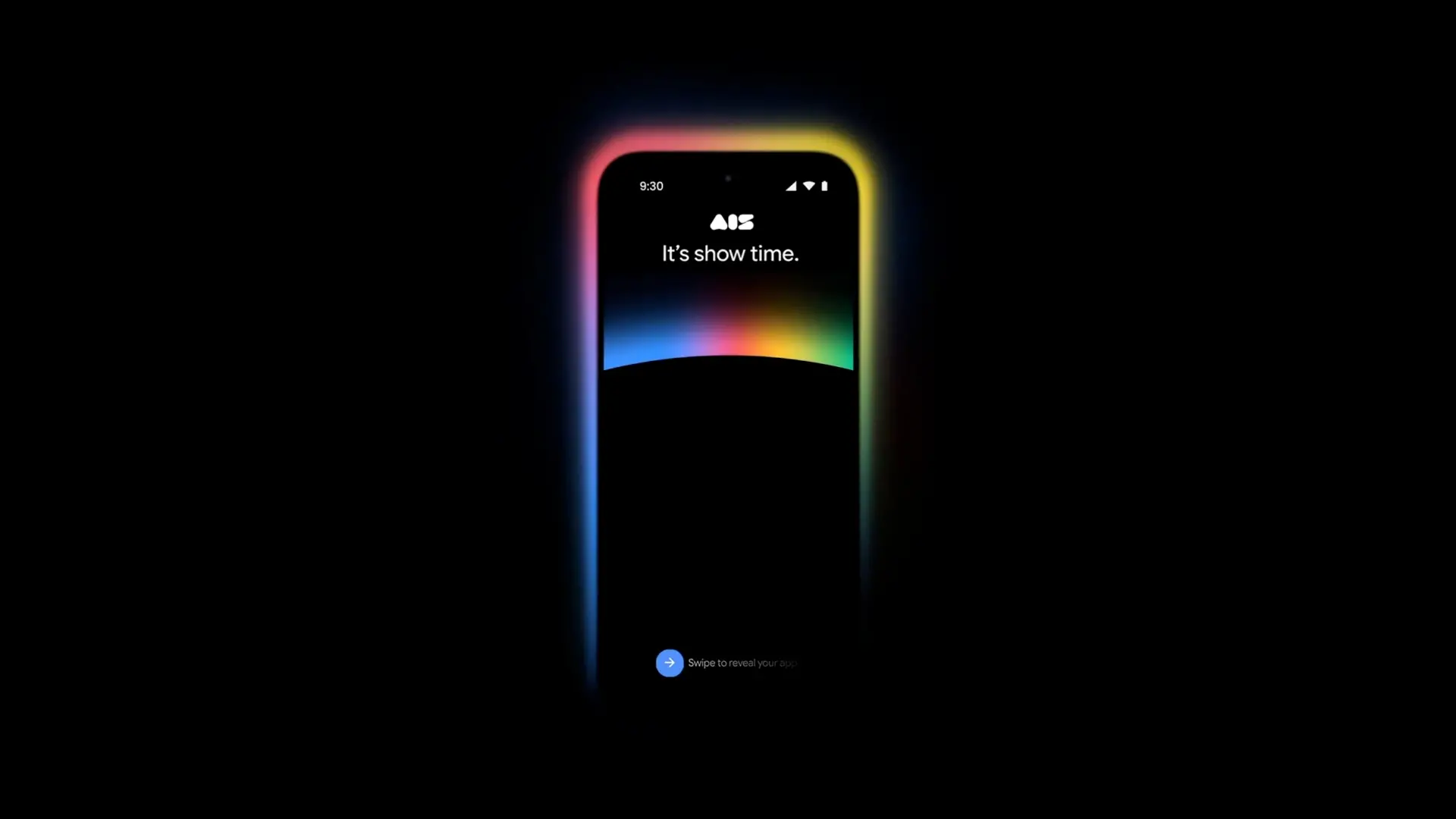
The landscape of app development is undergoing a profound transformation. What was once a specialized craft confined to powerful desktop computers and complex IDEs like Android Studio is rapidly evolving into a more accessible, on-the-go activity. Artificial intelligence is the primary driver of this change, enabling what many now call 'vibe coding' — the ability to create functional applications using natural language prompts and intuitive interfaces. Google has been at the forefront of this shift with its AI Studio platform, and the company is now taking the next logical step: bringing AI Studio directly to mobile devices.
What Google AI Studio Mobile Offers
In a recent announcement on X, the official Google AI Studio handle revealed that the mobile version of its popular development environment will soon be available. The mobile app is designed to be a full-featured companion to the desktop version, allowing users to create, iterate, test, and publish apps straight from their smartphones. This eliminates the need for a laptop or desktop computer when inspiration strikes, offering unprecedented flexibility for developers and hobbyists alike.
One of the standout features of the mobile app is the inclusion of the 'remix' capability, which is already present in the desktop version. Remix allows users to duplicate an existing app idea and then tweak or expand upon it, personalizing the application to their specific needs. This is particularly powerful for learning and rapid prototyping, as it provides a solid foundation that can be modified with minimal effort. The mobile app is expected to include most of the core functionality of its desktop counterpart, though some advanced features may be reserved for the larger screen interface.
Another critical aspect is cross-device continuity. Users can start a project on their mobile device and seamlessly continue working on it from a desktop or laptop. This flexibility is essential for modern workflows, where creators often switch between devices throughout the day. The integration with Google's cloud infrastructure ensures that projects are synced in real-time, preventing data loss and maintaining productivity.
The Rise of 'Vibe Coding'
The term 'vibe coding' has gained traction in recent months, referring to the practice of using AI-powered tools to generate code from natural language descriptions. Instead of manually writing every line of code, developers (or even non-developers) can describe the desired functionality, and the AI produces the necessary code. Google AI Studio leverages large language models to understand user intents and translate them into working applications, often reducing development time from days to minutes.
This approach democratizes app creation. People with ideas but limited coding experience can now bring their concepts to life without investing months in learning programming languages. For experienced developers, vibe coding accelerates prototyping and experimentation, allowing them to test multiple hypotheses quickly. The mobile version of AI Studio takes this accessibility a step further, enabling creativity to happen anywhere — whether you're at a coffee shop, commuting, or simply away from your desk.
The concept of vibe coding is not without its skeptics. Critics argue that AI-generated code can be less efficient, harder to debug, and may introduce security vulnerabilities. However, proponents counter that the speed and ease of use outweigh these concerns, especially for rapid prototyping and non-critical applications. Google is aware of these challenges and is continuously improving the underlying models to produce cleaner, more reliable code. The company also provides tools for testing and iteration within AI Studio, helping users refine their apps before publication.
Availability and Pre-Registration
Google has already opened pre-registration for the AI Studio mobile app on the Google Play Store. Android users can sign up to be among the first to experience the mobile development environment when it launches. For iOS users, pre-orders are not yet available, but the company has indicated that an iPhone version is coming soon, with a 'coming soon' message currently displayed on the App Store page.
The decision to launch on Android first is logical, given that the platform offers deeper integration with Google's development ecosystem. However, the inclusion of iOS support demonstrates Google's commitment to reaching a broad audience of creators across multiple platforms. The workflow of creating, testing, and publishing apps from a smartphone is particularly appealing for indie developers and small teams who may not have access to dedicated development hardware.
Background on Google AI Studio
Google AI Studio was initially launched as a web-based platform for building and experimenting with AI applications. It quickly gained popularity among developers for its simplicity and power, allowing users to create apps that leverage Google's machine learning models. The platform provides a visual interface for designing app logic, integrating APIs, and managing data — all without requiring deep expertise in artificial intelligence.
The expansion to mobile is a natural progression. Mobile devices have become powerful enough to handle many development tasks, and the ubiquity of smartphones makes them an ideal platform for on-the-go creativity. Google's move also aligns with broader industry trends, where companies like Microsoft (with GitHub Copilot) and Amazon (with CodeWhisperer) are pushing AI-assisted development into mobile and cloud environments. The competition is fierce, but Google's deep integration with its own ecosystem — including Android, Firebase, and Cloud services — gives it a unique advantage.
Historically, Google has made several attempts to simplify app development. Tools like App Inventor (for educational purposes) and Firebase (for backend services) have lowered the barrier to entry. AI Studio represents the next generation of these efforts, combining visual programming with AI-powered code generation. The mobile version is expected to include features such as:
- Natural language input: Describe your app idea in plain English, and AI generates the initial code.
- Real-time testing: Run your app directly on the phone to see how it behaves, without needing an emulator.
- Publishing integration: Submit your app to the Google Play Store directly from the app.
- Templates and presets: Start from common app structures (e.g., to-do list, weather app, calculator) and customize from there.
- Collaboration tools: Share projects with team members and work together in real-time.
Implications for Developers and the Industry
The launch of AI Studio on mobile is likely to have several ripple effects. First, it will make app development more accessible to a wider audience, including students, entrepreneurs, and professionals in non-technical fields. This could lead to a surge in innovative app ideas that might otherwise never see the light of day due to lack of coding skills.
Second, it could challenge traditional methods of teaching programming. If AI can generate code on demand, the focus of education may shift from memorizing syntax to understanding architecture, design patterns, and ethical implications. Schools and bootcamps may need to adapt their curricula to incorporate AI tools as collaborators rather than replacements.
Third, there are potential concerns about quality control and security. With more people able to create and publish apps, the app stores may see an influx of poorly designed or insecure applications. Google and Apple have already implemented review processes, but the volume of submissions could increase significantly. AI-generated code may also contain subtle bugs or biases that are hard to detect using automated tools. Google will need to invest in robust testing and validation mechanisms within AI Studio to mitigate these risks.
From a competitive standpoint, Google's move puts pressure on other players in the AI-assisted development space. Apple has been relatively quiet about integrating AI into Xcode, while Meta has focused more on AR/VR development. If Google can establish a strong mobile development platform that works seamlessly across devices, it could become the go-to tool for a new generation of creators. The company's existing investments in AI, cloud computing, and mobile infrastructure provide a solid foundation for this ambition.
Finally, the timing of this announcement is noteworthy. The tech industry is currently in the midst of an AI boom, with generative models capturing the public's imagination. Google is eager to demonstrate that AI is not just a novelty but a practical tool for everyday productivity. By putting AI-powered app development in everyone's pocket, the company is making a bold statement about the future of software creation.
For those interested in trying out the mobile AI Studio, pre-registration is now open on the Google Play Store. While the exact launch date has not been announced, the early access sign-up suggests a rollout in the coming weeks. iOS users will need to wait a bit longer, but the promise of a cross-platform experience is encouraging. In the meantime, developers can continue to use the desktop version of AI Studio, which remains fully available and continues to receive updates.
The era of vibe coding is here, and it's going mobile. Whether you're a seasoned developer or someone with a brilliant app idea but no coding experience, Google AI Studio on mobile promises to be a powerful ally in bringing your vision to life. The ability to create, iterate, test, and publish apps from your smartphone represents a paradigm shift in how we think about software development. It's a glimpse into a future where creativity is no longer constrained by time, place, or technical expertise.
Source: Android Authority News