

Should You Buy the Apple Vision Pro?
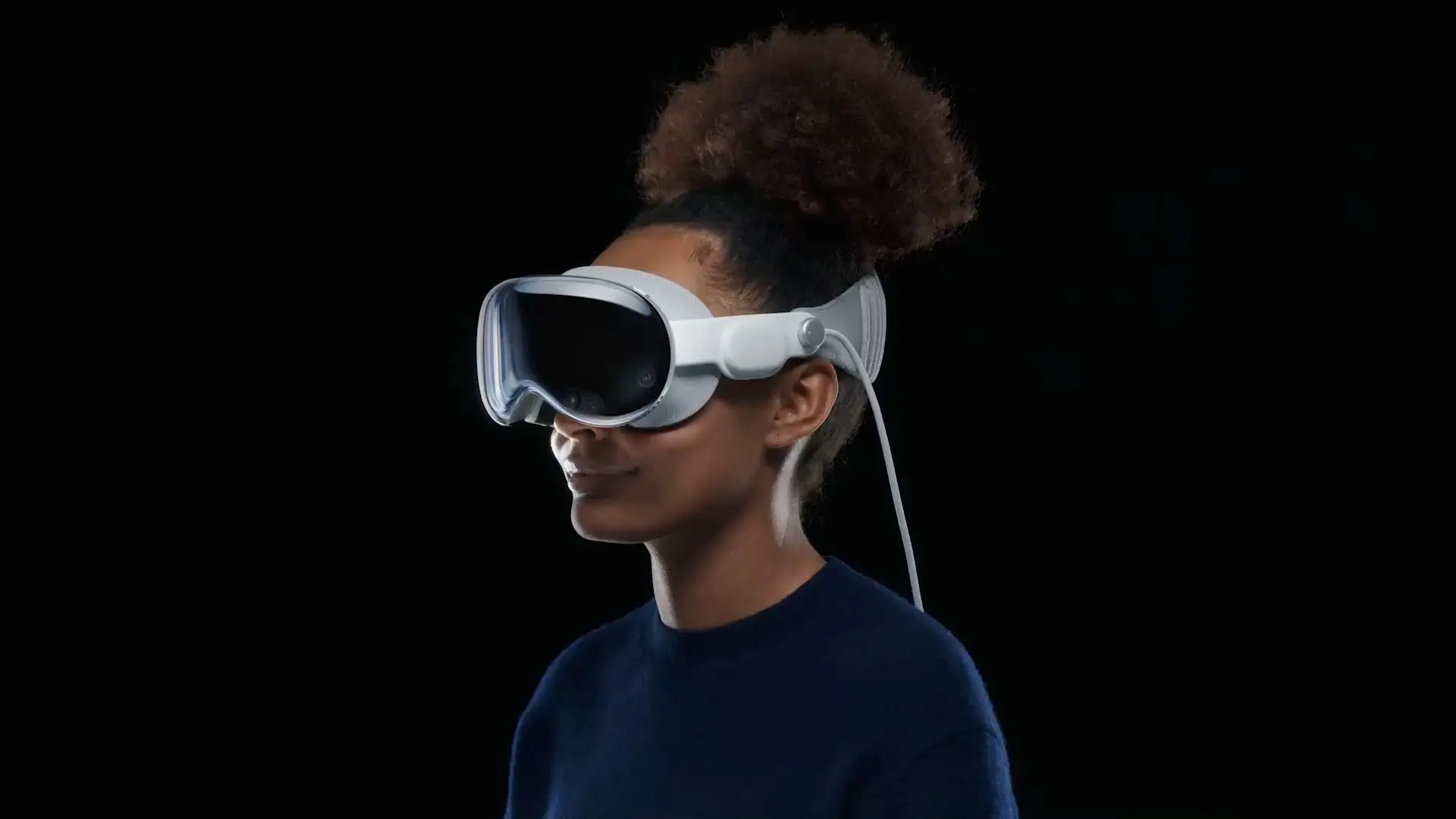
The Apple Vision Pro, starting at $3,500, is a premium mixed-reality headset that combines augmented and virtual reality. While it is prohibitively expensive for many, reviews highlight its impressive technical capabilities. The device is ideal for watching movies, viewing 3D content, and using as a Mac display. However, weight and external battery pack may cause fatigue, and the limited app ecosystem means potential buyers should try it at an Apple Store and research thoroughly.
The M5 version, released in October 2025, offers improved performance and comfort with a Dual Knit Band. Battery life is up to 3 hours for video playback, and the headset features two micro-OLED displays with 23 million pixels total, providing over 4K resolution per eye. The EyeSight external display shows your eyes to others, and navigation relies on eye tracking, hand gestures, and voice commands.
Design and Display
The Vision Pro resembles ski goggles, with a laminated glass front and aluminum alloy frame. A magnetic Light Seal blocks light, and the Dual Knit Band (included with M5 model) provides cushioning and breathability. The displays support up to 120Hz refresh rate and 10% more pixels rendered than the previous M2 model, for crisper text and reduced motion blur.
Zeiss optical inserts are available for prescription glasses ($149) or readers ($99). The headset uses 12 cameras and 5 sensors for hand tracking, environment mapping, and Optic ID (iris scanning). Audio is delivered via built-in speakers with spatial audio, and the device supports Wi-Fi 6 and Bluetooth accessories.
Performance and Battery
Powered by the M5 chip (10-core CPU, 10-core GPU) and R1 chip, the Vision Pro offers 16GB RAM and storage options of 256GB, 512GB, or 1TB. Battery life is up to 2.5 hours general use or 3 hours video, with an external battery pack worn at the hip. The device can also run on AC power indefinitely.
The M5 chip enables faster AI tasks, improved graphics (10% more pixel rendering), and support for 120Hz refresh. The Neural Engine boosts AI features like Persona generation and spatial scene creation.
Software and Ecosystem
visionOS 26 runs the headset, offering a three-dimensional interface with persistent widgets and environments. FaceTime uses a digital Persona that mimics your expressions. You can connect to a Mac to use the headset as a private 4K display, including ultrawide mode equivalent to two 4K monitors.
The App Store includes dedicated apps, plus iPhone and iPad apps run natively. Content consumption is enhanced with Apple Immersive Videos and a Cinema Environment that makes screens feel 100 feet wide. Gaming supports Apple Arcade and Bluetooth controllers.
Future updates in visionOS 27 will bring face gestures for taps, vehicle motion cues, and improved accessibility features.
How to Buy and What's Included
The Vision Pro is available at Apple Stores and online in select countries. The box includes the Dual Knit Band, Light Seal with cushions, cover, polishing cloth, battery pack, USB-C cable, and power adapter. No trade-ins are accepted for M2 models. Zeiss lenses require a valid prescription.
Medical warnings advise caution for those with heart conditions, migraines, dizziness, eye conditions, or seizure history. The device may interfere with pacemakers.
Future Developments
Apple is pausing work on the next Vision Pro to focus on smart glasses without a display, expected in late 2026 or 2027. A cheaper enclosed headset is also in development but at least two years away. Long-term, Apple aims for AR glasses with Mac connectivity, and health monitoring features like pupil dilation for mental health detection are being tested.
The Vision Pro represents Apple's most technically advanced product, offering a glimpse into spatial computing. While not for everyone due to price and weight, it excels in media consumption and as a portable display.
Source: MacRumors News