

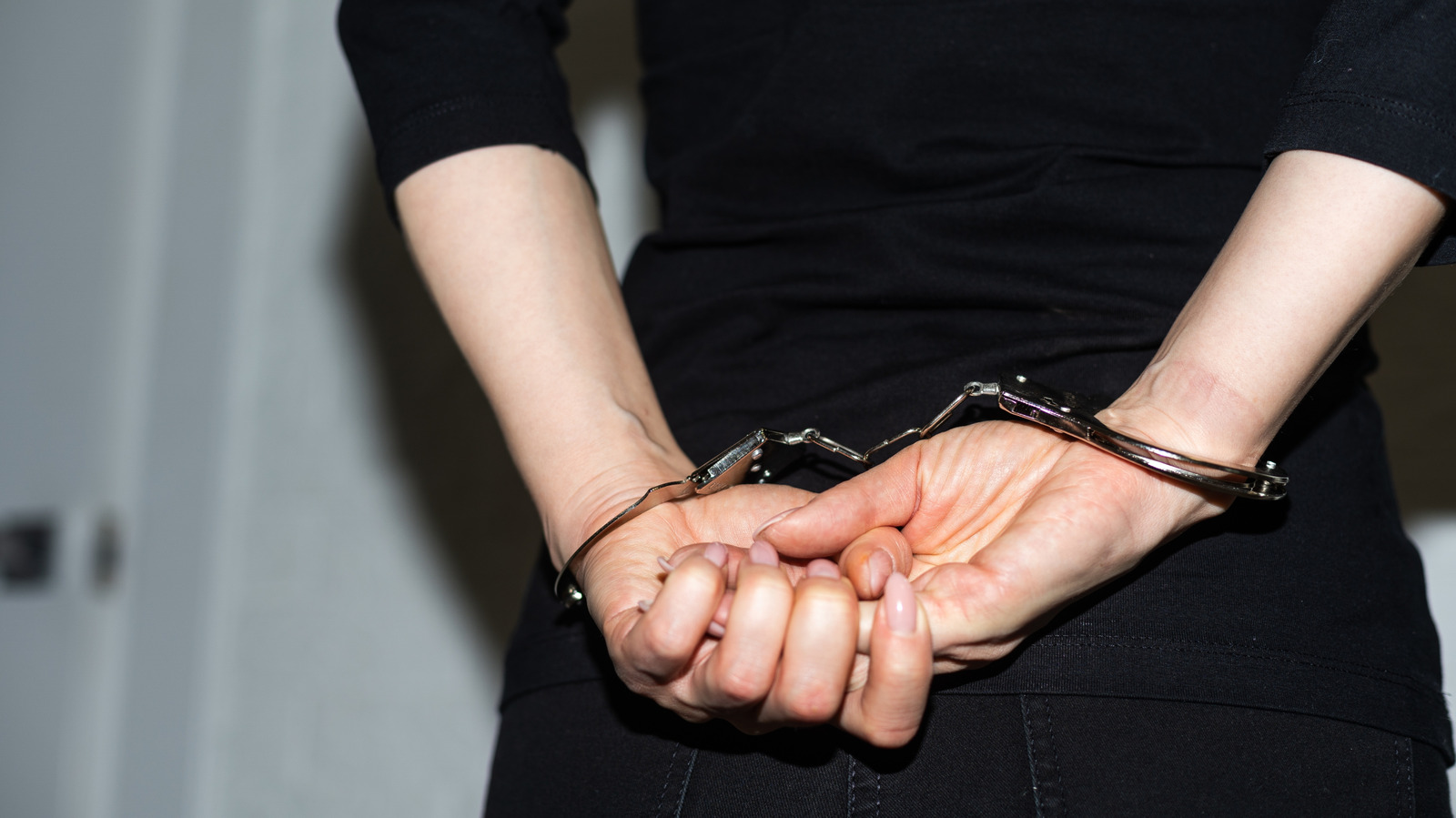
In a striking case highlighting the potential pitfalls of artificial intelligence in law enforcement, a Tennessee woman named Angela Lipps found herself wrongfully arrested for crimes committed in North Dakota, a state she claims to have never visited. This incident raises critical questions about the accuracy of facial recognition technology and the implications of its use in criminal investigations.
Angela Lipps was apprehended in July 2025 after a warrant was issued by the Fargo Police Department in North Dakota, a staggering distance of over 1,000 miles from her home in Tennessee. The investigation began when Fargo police sought assistance from the West Fargo Police Department, which regularly employs facial recognition technology from Clearview AI to identify suspects in criminal cases. Their hope was that the AI could help pinpoint a suspect involved in a bank fraud case.
While the Fargo Police assert that their investigation involved more than just AI identification, the reliance on technology raises concerns. According to Fargo Police Chief Dave Zibolski, the case was not based solely on the AI-generated lead, yet the extent of additional evidence used remains unclear.
Duration of Incarceration
Lipps was booked into her local county jail as a fugitive and held without bail for nearly four months. The circumstances of her arrest unfolded while she was babysitting, leading to a bewildering situation where U.S. Marshals arrived at her home to arrest her. The ordeal escalated when she was extradited to North Dakota to face multiple charges in October 2025.
During her time in prison, Lipps maintained her innocence, which her lawyer was ultimately able to substantiate using her bank records—documents that proved she had no connection to the alleged crimes. Consequently, the charges against her were dropped, but not before she experienced significant distress and disruption to her life.
This case is not an isolated incident. In fact, it mirrors a previous situation involving a Detroit woman, Porcha Woodruff, who was wrongfully charged with carjacking after being misidentified by facial recognition technology. Woodruff spent 10 hours in jail before the charges were dismissed, prompting the Detroit police to reevaluate their use of facial recognition.
Implications and Future Considerations
Angela Lipps's case underscores the potential dangers associated with the increasing reliance on AI in law enforcement. After her release, she found herself stranded in North Dakota, further complicating an already traumatic experience. The Fargo Police Department has since stated that the duration of her incarceration could be attributed to her fighting extradition or possibly serving time for a separate offense, although the details remain murky.
Now contemplating a lawsuit, Lipps's situation raises broader concerns about the efficacy and oversight of facial recognition technology. The Fargo Police Department, which does not possess its own facial recognition tools, has decided to discontinue using information from the West Fargo Police due to uncertainties regarding its operation and governance.
As AI continues to evolve and find its way into various sectors, including law enforcement, the need for rigorous oversight and accountability becomes increasingly clear. The wrongful arrest of Angela Lipps serves as a cautionary tale about the consequences of placing undue trust in technologies that are not infallible.
Source: SlashGear News