

The evolution of technology often highlights the successes, like smartphones and social media platforms, while leaving behind countless innovations that never gained traction. For every revolutionary device, numerous odd inventions emerge, making waves only to fade into obscurity. These unusual gadgets, while not successful in the marketplace, illustrate the adventurous spirit of innovation.
Innovation is inherently risky. Many inventors create products that sound promising but fail to resonate with consumers. Factors such as timing, pricing, and design can significantly impact a product's acceptance. Below, we delve into the stories of 15 of the most peculiar technological experiments that, despite their uniqueness, did not capture the public's imagination.
Sony Rolly
The Sony Rolly was a quirky, egg-shaped music player that danced while playing music. It featured two rubber wheels for movement and wings that opened to reveal stereo speakers. Users could play music from its internal memory or stream via Bluetooth. Despite its innovative design, with features like an accelerometer for track navigation, the Rolly's $399 price tag and limited functionality led to its downfall.
Nabaztag
This Wi-Fi-enabled robotic rabbit could deliver news, weather updates, and even function as a quirky alarm clock. With the ability to perform tai chi and play podcasts, the Nabaztag had a playful personality. However, its high price and limited utility made it more of a novelty than a necessity, leading to the company's bankruptcy and the eventual shutdown of its official servers.
Clocky Alarm Clock
Clocky was designed to make waking up more engaging by jumping off the nightstand and rolling away when the alarm rang. This innovative design forced users to chase it down to turn it off. With shock-absorbing wheels and random movement, Clocky was a fun alternative to traditional alarms, although its novelty eventually wore off.
Hushme
The Hushme was a unique voice mask designed for privacy during phone calls in public spaces. Resembling a muzzle, it worked by muffling the user's voice and could play ambient sounds to disguise conversations. Its peculiar appearance and awkwardness in use limited its appeal, despite its practical intent.
Twirling Spaghetti Fork
This motorized fork aimed to assist those with limited hand mobility. While intended to aid in eating spaghetti, it became more of a comical novelty than a practical kitchen tool. Its design was reminiscent of chindogu, a Japanese concept of gadgets that solve problems yet are impractical for everyday use.
Air-Conditioned Fan Jacket
Invented by Hiroshi Ichigaya, the air-conditioned fan jacket aimed to offer a personal cooling solution. With battery-powered fans hidden in the fabric, it aimed to provide a breeze on hot days. Despite its innovative concept, it struggled to gain popularity outside Japan, as most people preferred to remove layers in the heat.
Teasmade
The Teasmade combined an alarm clock with an automated tea brewer, allowing users to wake up to freshly brewed tea. While it was popular in the UK during the 1960s and 70s, modern conveniences like fast kettles have rendered it obsolete, making it a relic of the past.
Samsung Ballie
Samsung's Ballie was envisioned as a household robot that could assist with daily tasks, manage smart home devices, and even serve as a pet monitor. Despite its innovative features, including interactive projections, it never made it to retail due to unclear market positioning and competition with more functional robots.
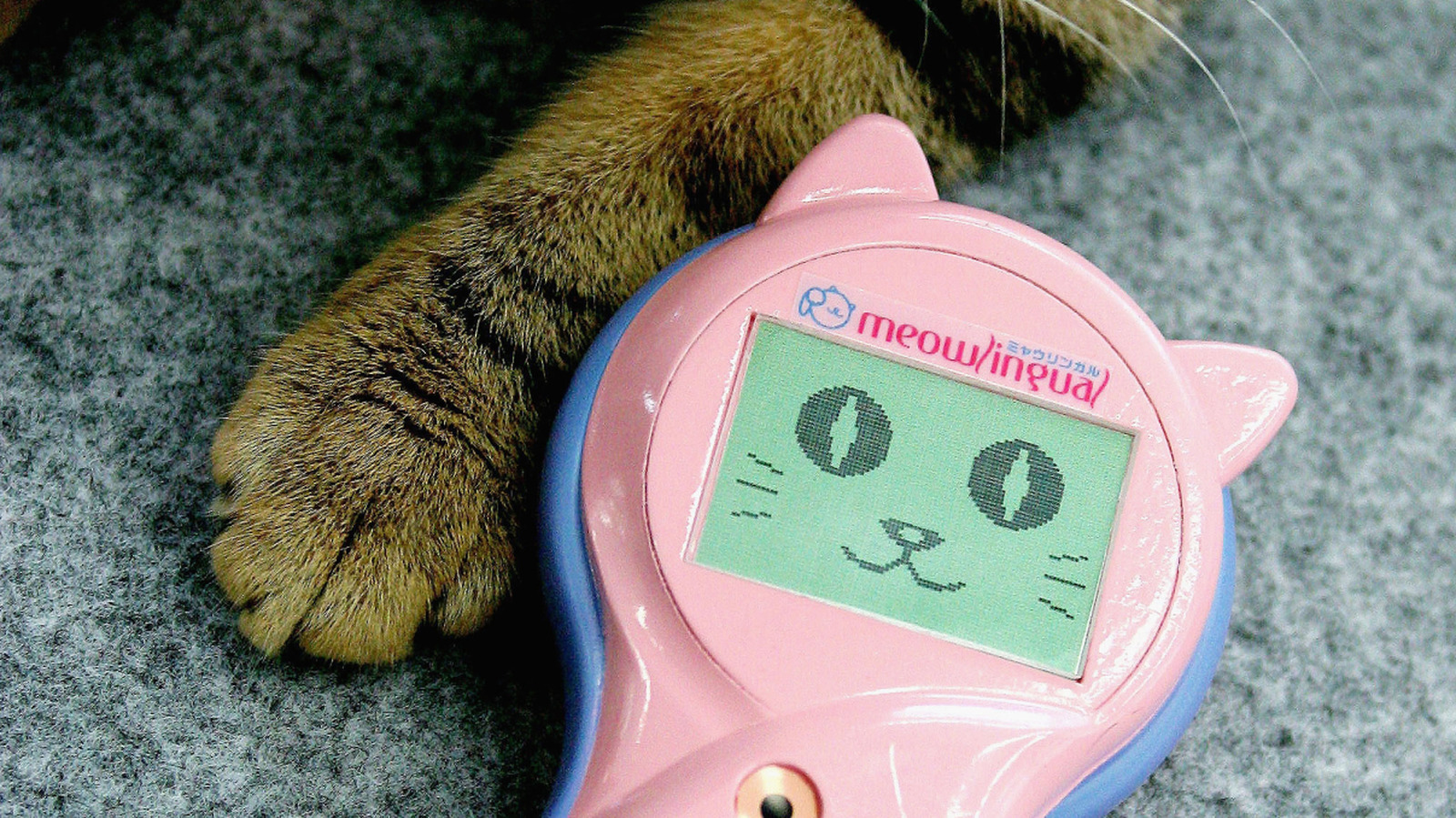
Meowlingual
The Meowlingual was a device intended to translate cat sounds into human phrases. Using acoustic analysis, it attempted to interpret a cat's emotions. However, its accuracy was questionable, and it lacked real utility, leading to its failure in the market.
Air Purifying Face Masks
These Bluetooth-enabled masks promised to purify the air while allowing users to take calls and listen to music. While innovative during the pandemic, their heavy weight, discomfort, and short battery life made them impractical for everyday use, limiting their appeal.
Enomad Uno
A portable hydroelectric generator, the Enomad Uno aimed to help campers charge devices using moving water. However, its reliance on strong currents and vulnerability to debris made it less practical for users, leading to its lack of popularity.
LG StanbyME Go
This portable entertainment system featured a 27-inch touchscreen and speakers, designed for outdoor use. Despite its rugged design, its heavy weight and limited battery life made it less appealing than using a laptop or tablet for media consumption.
Rollkers
Rollkers were designed as motorized attachments to shoes, allowing users to walk faster. However, with a mere 30-minute battery life, they remained in the prototype phase, failing to capture market interest.
CD-ROM Magazines
Once a novel format, CD-ROM magazines offered interactive digital content. However, the rise of the internet quickly rendered them obsolete, as consumers preferred online access to multimedia content.
Qoobo
Qoobo was a robotic pillow designed to provide comfort and companionship through its tail movements. Despite its aim to offer the benefits of pet ownership without the maintenance, its unusual appearance limited its acceptance in the market.
Source: SlashGear News