

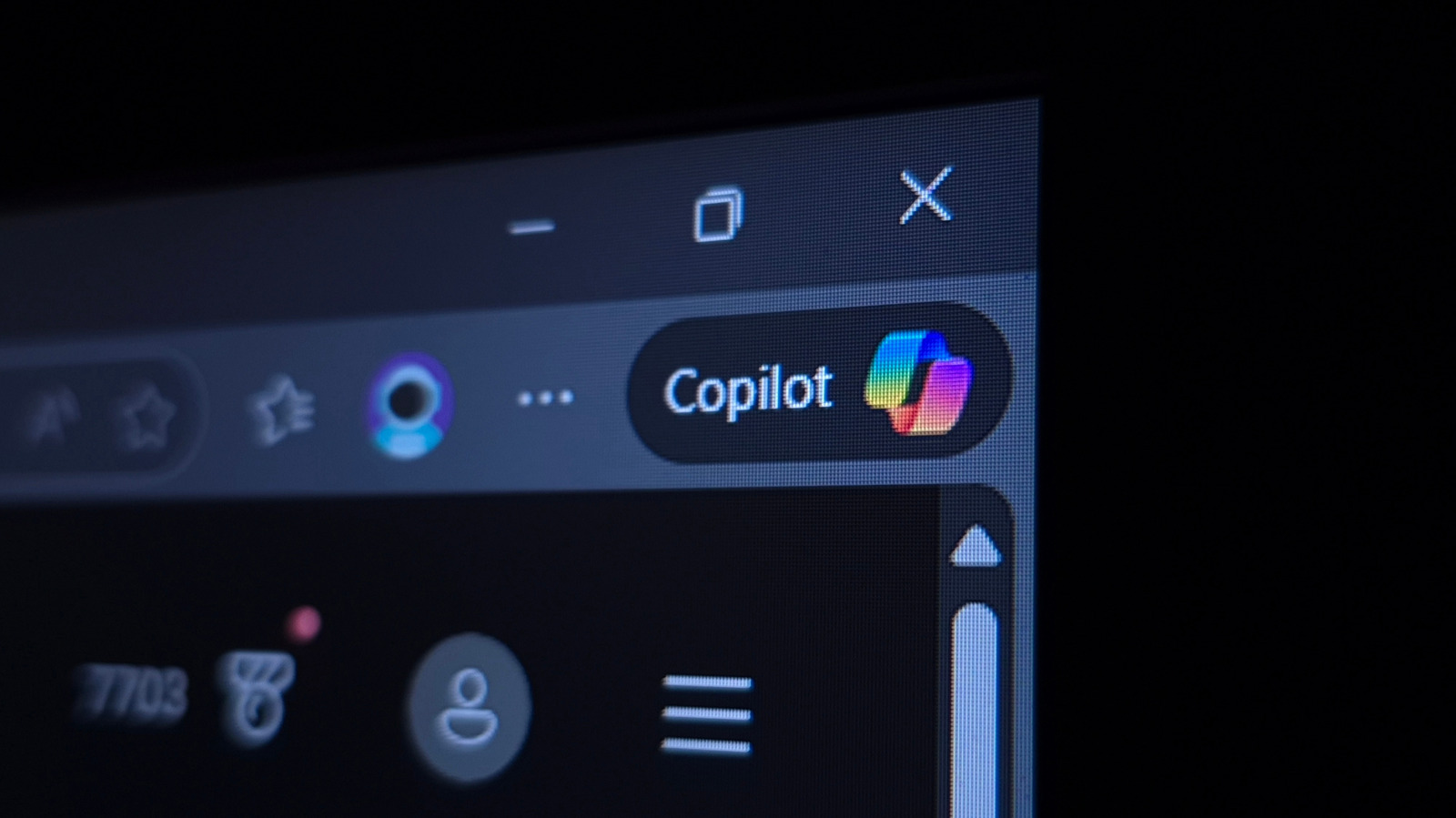
In recent months, Microsoft has faced significant backlash over its aggressive integration of AI technologies into Windows, particularly through its Copilot feature. Originally marketed as an innovative enhancement, Copilot has become synonymous with user frustration, leading many to criticize the company for prioritizing AI over essential system functionality. This shift in user sentiment has prompted Microsoft to reconsider its strategy regarding AI within its operating system.
Initially, Microsoft executives, including CEO Satya Nadella, defended the incorporation of AI, urging users to embrace the technology rather than dismiss it as ineffective. However, as complaints mounted and user dissatisfaction became evident, the company began to adjust its approach. Recent reports indicate that Microsoft is actively removing Copilot branding from several applications, including Notepad and Snipping Tool, as part of a broader effort to improve user experience on Windows 11.
Windows' Copilot Reduction Reflects Shift in Strategy
One notable change includes the removal of the Copilot button from Notepad in a recent preview build, which many users found unnecessary. The addition of Copilot to a basic text editing application not only complicated its simplicity but also raised security concerns, allowing potential vulnerabilities for remote script execution. While the Copilot button has been eliminated, the AI functionality remains through a more generic button, indicating that Microsoft still values AI tools but recognizes the need to distance itself from the increasingly unpopular Copilot branding.
In addition to Notepad, similar changes have been made in other applications like Snipping Tool and Photos. The company's leadership shake-ups have led to speculation about shifts in priorities as the AI landscape evolves. With growing competition, particularly from Linux, and scrutiny over the profitability of AI initiatives, Microsoft appears to be recalibrating its focus on ensuring that Windows remains a user-friendly platform.
Competitive Pressures and User Expectations
Microsoft's retreat from its AI push is occurring against a backdrop of increasing competition, particularly from Apple. The recent launch of the budget MacBook Neo threatens to attract users away from Windows, especially in the high-end laptop market. Apple's strategy has been more cautious regarding AI, focusing on limited tools rather than an aggressive rollout, which may appeal to users who prefer a straightforward, reliable computing experience.
As Microsoft navigates these competitive pressures, it must prioritize enhancing the Windows experience for new users, particularly those purchasing budget models. The company has a history of recovering from user dissatisfaction, evidenced by its previous responses to the backlash against Windows Vista and Windows 8. However, the current landscape presents unique challenges, particularly as users increasingly demand performance without the distractions of excessive AI features.
Future Updates and User-Centric Improvements
Looking ahead, Microsoft plans to implement several key updates aimed at restoring user confidence in Windows 11. These improvements include restoring legacy taskbar functionalities, making Windows Update less disruptive, and optimizing File Explorer for better performance. Many users have reported sluggishness and visual glitches with File Explorer, and addressing these issues is critical for enhancing the overall user experience.
Microsoft's ability to adapt to user feedback and market trends will be crucial as it seeks to redefine its approach to AI within Windows. By prioritizing user needs over ambitious AI integration, the company can work towards rebuilding trust and ensuring that Windows remains an effective and enjoyable operating system.
Source: SlashGear News