

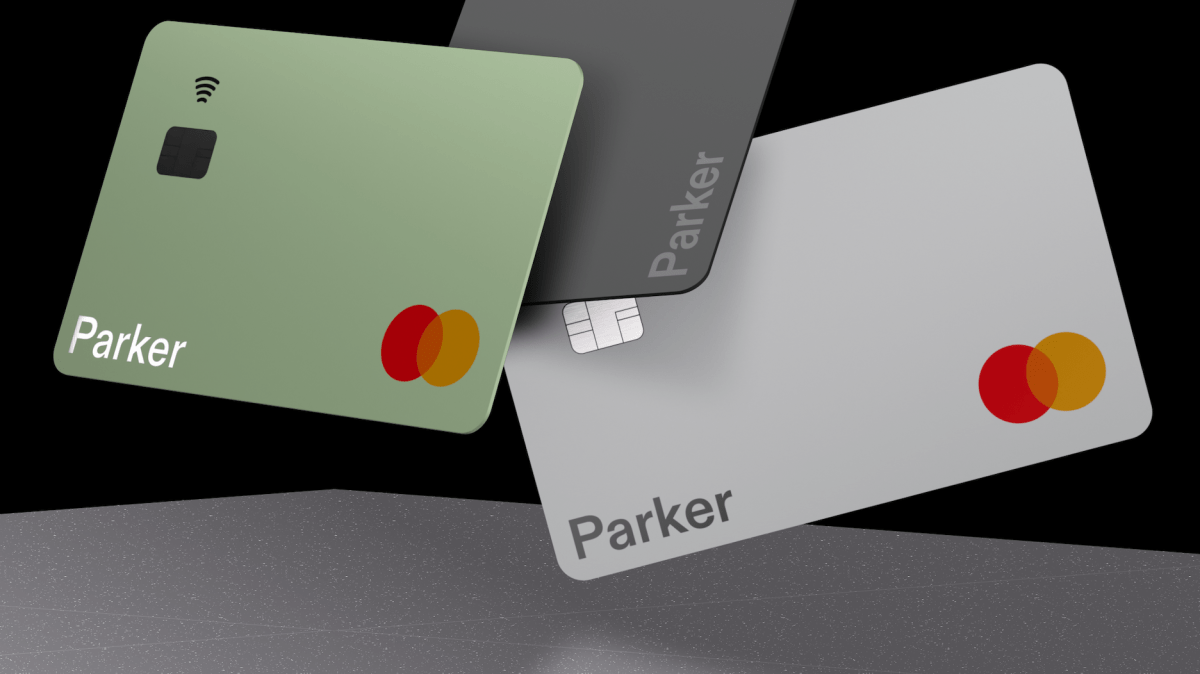
Parker, a fintech startup that offered corporate credit cards and banking services tailored for e-commerce businesses, has filed for Chapter 7 bankruptcy and is reported to have shut down its operations. The company, which was part of Y Combinator's winter 2019 cohort and secured a Series A led by Valar Ventures, had positioned itself as a specialized financial partner for online merchants. The sudden collapse has left many small business customers scrambling to find alternative banking solutions and has cast a spotlight on the risks inherent in fintech partnerships with traditional banks.
The Rise and Promise of Parker
Parker emerged from stealth in 2023 with a bold promise: to build better financial products specifically for e-commerce founders. The startup's core offering was a corporate credit card designed to understand the unique cash flow patterns of online retail businesses. Co-founder and CEO Yacine Sibous described the company's underwriting approach as a 'secret sauce' that could properly assess e-commerce cash flows, enabling Parker to extend credit limits that traditional banks would not approve. 'We imagined building better financial products for e-commerce founders with the mission of increasing the number of financially independent people,' Sibous told media at the time.
The company's value proposition resonated with investors. By the time of its bankruptcy filing, Parker had raised more than $200 million in total funding, including a $125 million lending arrangement. The startup's website still prominently displays this funding milestone, with a banner boasting the achievement even as the company ceases operations. The backing from Y Combinator and Valar Ventures — a venture capital firm known for its focus on fintech and financial services — gave Parker credibility and access to a wide network of e-commerce startups.
Parker's credit card product was marketed as a way for e-commerce businesses to manage expenses, earn rewards, and access working capital without the friction typical of traditional banking relationships. The company claimed to have processed significant transaction volumes and generated $65 million in revenue, according to a recent LinkedIn post by CEO Sibous. However, the revenue figure appears to have been insufficient to sustain the company's cost structure or service its debt obligations.
The Bankruptcy Filing and Its Details
On May 7, 2026, Parker filed a petition for Chapter 7 bankruptcy in the appropriate federal court. Chapter 7 is a form of bankruptcy that involves liquidating a company's assets to pay off creditors, as opposed to Chapter 11, which allows for reorganization. The filing indicates that Parker has between $50 million and $100 million in assets, with liabilities falling within the same range. The company also disclosed that it has between 100 and 199 creditors, suggesting a significant number of suppliers, lenders, and possibly customers are owed money.
The bankruptcy filing does not provide a detailed breakdown of the assets or liabilities, but it is clear that the company's financial situation deteriorated rapidly after acquisition talks fell through. Fintech consultant Jason Mikula recently claimed that Parker had been in negotiations for a potential acquisition, but the failure of those talks ultimately triggered the abrupt shutdown. Mikula added that this outcome 'has left small business customers in a tough spot' and also raised 'questions about [banking partner] Piermont's and Patriot's oversight of the program.'
Piermont Bank and Patriot Bank were the financial institutions that issued Parker's credit cards under a typical fintech-bank partnership model. In this arrangement, the fintech handles customer acquisition, technology, and underwriting, while the bank provides the actual credit and regulatory compliance. When a fintech fails, customers often face immediate disruptions, including frozen accounts, suspended cards, and delays in accessing funds. Multiple social media posts indicate that Patriot Bank sent a message to Parker customers this week confirming the shutdown and likely providing guidance on next steps.
Impact on E-Commerce Customers
The sudden collapse of Parker has created significant challenges for the small businesses that relied on its services. E-commerce companies often operate with thin margins and depend on predictable cash flow and access to credit to manage inventory, marketing, and operational expenses. Losing access to a corporate credit card — especially one that was tailored to their specific business model — can cause immediate cash flow problems and force merchants to seek alternative financing under unfavorable terms.
Competitors in the fintech space have quickly jumped on the news, posting messages on social media aimed at luring away Parker's former customers. These companies are offering incentives such as expedited onboarding, fee waivers, and higher credit limits to capture the displaced business. While competition may benefit customers in the long run, the transition period is likely to be stressful for merchants who now have to reapply for credit and possibly adjust to different underwriting standards.
Industry observers have pointed out that the collapse of Parker is part of a broader pattern in fintech, where rapid growth funded by venture capital often masks underlying weaknesses in risk management, unit economics, and regulatory compliance. The e-commerce credit card space, in particular, has become crowded with startups vying to serve the same customer base, leading to aggressive marketing and underwriting practices that may not be sustainable in a rising interest rate environment.
Background and Historical Context
Parker's story is emblematic of the post-pandemic fintech boom. During the COVID-19 pandemic, e-commerce experienced explosive growth as consumers shifted to online shopping. Fintech startups rushed to provide financial tools specifically for this sector, offering everything from payments processing to inventory financing. Parker entered this market in 2023, a time when many e-commerce businesses were still growing but also facing headwinds from inflation, supply chain disruptions, and changing consumer behavior.
The company's founding team, including CEO Yacine Sibous, had experience in both technology and finance. Sibous previously worked at other startups and had a vision of using data analytics to revolutionize credit underwriting for e-commerce. Y Combinator, the renowned startup accelerator, provided early funding and mentorship, while Valar Ventures' involvement added credibility and deep pockets. However, building a sustainable lending business requires not only good underwriting but also careful management of capital and risk.
Parker's $125 million lending arrangement suggests that it had access to significant debt capital, which would have been used to fund credit card balances. In a typical fintech lending model, the company generates revenue from interchange fees, interest on outstanding balances, and annual fees. But if default rates rise or if the growth slows, the economics can quickly deteriorate. It appears that Parker's revenue of $65 million was not enough to cover its operating expenses and debt service, leading to the eventual liquidity crisis.
In a LinkedIn post shortly before the shutdown, CEO Sibous acknowledged that if he had the chance to start over, he would 'avoid over-hiring, reactive decisions, and doomsayers.' This reflects a common theme among failed startups: growing too quickly, making decisions based on short-term panic, and listening to negative voices that may have accelerated the downfall. Sibous also reiterated the $200 million funding figure, perhaps in an attempt to highlight the scale of the opportunity that was lost.
Lessons and Implications for the Fintech Ecosystem
The failure of Parker raises important questions about the oversight of fintech programs by partner banks. Regulators have been increasingly focused on the risks that fintech partnerships pose to the banking system, particularly when non-bank entities perform critical functions like underwriting and customer service. The collapse of a fintech can expose weaknesses in the bank's due diligence and monitoring processes. In Parker's case, both Piermont and Patriot Bank may face scrutiny from regulators about their involvement and whether they had sufficient controls in place.
The fintech credit card space has seen several high-profile failures in recent years, often attributed to a combination of loose underwriting, high customer acquisition costs, and unfavorable market conditions. Parker's bankruptcy is a reminder that even well-funded startups with strong backers are not immune to the fundamental challenges of credit risk and cash flow management. For e-commerce founders, it underscores the importance of diversifying financial relationships and not becoming overly reliant on a single fintech platform.
As the bankruptcy process moves forward, creditors will likely recover only a fraction of what they are owed. The court-appointed trustee will oversee the liquidation of Parker's assets, which may include cash, technology, intellectual property, and possibly receivables. The 100 to 199 creditors may include not only banks and vendors but also employees who are owed wages and benefits. The human toll of such a sudden shutdown — with employees losing their jobs without notice — cannot be overlooked.
Parker's CEO has not explicitly acknowledged the shutdown or bankruptcy on LinkedIn, but the company's silence speaks volumes. The startup's website remains operational with the funding banner, perhaps as a relic of better times. The fintech ecosystem continues to evolve, and while Parker's story ends in bankruptcy, it serves as a cautionary tale for entrepreneurs, investors, and regulators alike.
Source: TechCrunch News